
Find People Across Atlanta Records
Start with the record that fits the fact in hand. A street address points toward the Fulton Board of Assessors, Atlanta GIS, permits, deeds, and reverse directories. A full name can be tested against deed parties, court dockets, licenses, business filings, and current government directories. For a relative from an earlier era, city directories, death indexes, cemetery material, newspapers, and probate files are stronger starting places than current web listings.
Atlanta makes jurisdiction the first check. The city crosses Fulton and DeKalb counties, and many postal addresses labeled Atlanta lie outside the incorporated city. A parcel, court case, marriage, or death follows the county or agency that handled it. Once that office is known, use the following sequence.
- Confirm the city and county through an assessor or GIS parcel view.
- Search the owner roll or deed index for an address trail.
- Check the correct local, state, or federal court by party name.
- Compare a second identifier, such as a middle initial, parcel, case, license, or associated address.
- Ask the custodian for the file or certified copy when an index is not enough.
Atlanta People Records Offices
Georgia has no separate recorder of deeds. The Fulton County Clerk of Superior and Magistrate Courts records deeds, liens, plats, trade names, partnerships, and other instruments through its Real Estate Division. The Board of Assessors connects owners and mailing addresses to parcels, while City of Atlanta departments keep municipal legislation, permits, inspections, police records, and other city files. Detailed custodian routes and request rules appear in Atlanta public records.
Fulton Real Estate Division
136 Pryor Street SW, Ground Floor
Atlanta, GA 30303
404-613-5313
Atlanta Open Records
55 Trinity Avenue SW
Atlanta, GA 30303
Department-specific routing
Check Atlanta County Boundaries
An Atlanta mailing label is not proof of city or county jurisdiction. The incorporated city reaches into DeKalb County, while other places outside the city use Atlanta postal addresses. Search the parcel first. Fulton GIS and Atlanta GIS show boundaries, land lots, council districts, neighborhoods, quadrants, ZIP layers, and annexations. A court event or vital record must likewise be traced to the county where it occurred.
The Atlanta GIS portal can select an area, add a buffer, and export owner names, addresses, and parcel numbers. That export helps turn a block or project area into a set of official parcel leads.
The map is a routing tool. Confirm ownership and legal descriptions with the assessor and recorded deed.
Trace Atlanta Owners by Address
A property trail can connect a physical place to current and past owners. The assessor card may show owner name, mailing address, parcel identifier, sale details, legal description, improvements, exemptions, and tax district. The situs address is the physical location. It may differ from the mailing address used for tax notices. That distinction can reveal an out-of-area owner without proving where the person lives.
Move from the parcel identifier to GSCCCA or the clerk's index, then follow grantor and grantee names through later or earlier deeds. Grantor means the party transferring an interest; grantee means the party receiving it. Book and page values are handoff keys for requesting the recorded image or a certified copy.
- Parcel
- The assessor's identifier for a tax-mapped property.
- Situs
- The property's physical location, not the tax-mail address.
- Plat
- A recorded map showing lots, boundaries, and related land details.
- Index
- A discovery record that points to the official instrument or file.
Search Atlanta Court Records
No complete, free statewide name index covers every Atlanta case. Municipal Court handles traffic, city ordinances, code matters, and limited misdemeanors. Fulton Superior, State, Magistrate, and Probate courts use clerk channels and providers listed through Georgia Courts E-Access. Federal cases in the Northern District of Georgia use PACER and CM/ECF.
A docket is the court's event list. It may show party names, case number, filing date, case type, events, and disposition, but the docket is not the full pleading or signed order. Sealed cases, juvenile material, protected identifiers, and restricted documents will not appear in ordinary public results. Use the clerk's public terminal or copy request when the web result stops short.
| Court | Covers | Name Search | Access |
|---|---|---|---|
| Fulton Superior, State, Magistrate | Civil and criminal matters by court | Clerk eServices and listed providers | Web, courthouse terminal, or copy request |
| Atlanta Municipal Court | Traffic, ordinances, code matters | Find My Case | Web, counter, or court request |
| Northern District of Georgia | Federal cases | PACER and CM/ECF | Account access and clerk services |
Locate Atlanta Vital Records
Fulton County and the Georgia Department of Public Health issue birth and death certificates under record-specific eligibility rules. Birth certificates are limited to eligible relatives and representatives. A public plain-paper death record can omit the Social Security number, while certified copies and cause-of-death details have tighter rules. Marriage licenses belong with the probate court that issued them, and divorce files belong with Superior Court.
Atlanta kept local death registrations from 1889 and birth registrations from 1896, before Georgia began statewide registration in 1919. The Georgia Archives death-record guide identifies archival routes, including digitized state death certificates for 1919 through 1927. Recent certificates should be ordered from the current custodian, not inferred from a genealogy index.
Browse Atlanta's Deed Index
The GSCCCA Real Estate Index is the statewide discovery layer for recorded land transactions. Standardized content reaches at least January 1, 1999, and historical data is still being added. That date is not the beginning of surviving Fulton deeds. Older books and locally added indexes require clerk confirmation.
Name searches use grantor or grantee roles and date ranges. Property searches may use subdivision, unit, block, lot, land district, land lot, parcel ID, or address fields. A result can show party names, instrument type, recording date, county, book and page, legal description, and image availability.
| Search field | Best use |
|---|---|
| Party name | Trace a seller, buyer, borrower, or other indexed party |
| Book and page | Open a known recorded instrument |
| Property fields | Narrow by subdivision, lot, land district, or parcel |
| Date range | Separate same-name parties and ownership eras |
Search Atlanta Business Connections
Names tied to a company can be checked through the Georgia Secretary of State business search. Its modes include business name, control number, registered agent, officer, and designated agent. Results can connect a person with an entity name, status, formation jurisdiction, principal office, registered agent, officers, and filing history. Fulton trade-name filings add local assumed-name links.
For regulated work, the professional license verification accepts profession, license type, first or middle name, last name, and license number. The public entry may show status, issue and expiration dates, credential type, city or state, and public orders. A current license record is stronger proof of credential status than a business advertisement.
Use records only for lawful personal research. Public access does not permit stalking, threats, impersonation, or harassment under Georgia law.
Follow Atlanta Addresses Through Time
Historic Atlanta addresses can shift beneath a searcher. Directional suffixes such as NE, NW, SE, and SW matter, and Peachtree name variants can point to different segments. The 1892 renaming and renumbering work, later annexations, and redevelopment mean a modern number may not match the address printed in an early directory.
The Atlanta geopolitical layers separate city limits, neighborhoods, NPUs, land lots, council districts, quadrants, ZIP areas, and county boundaries.
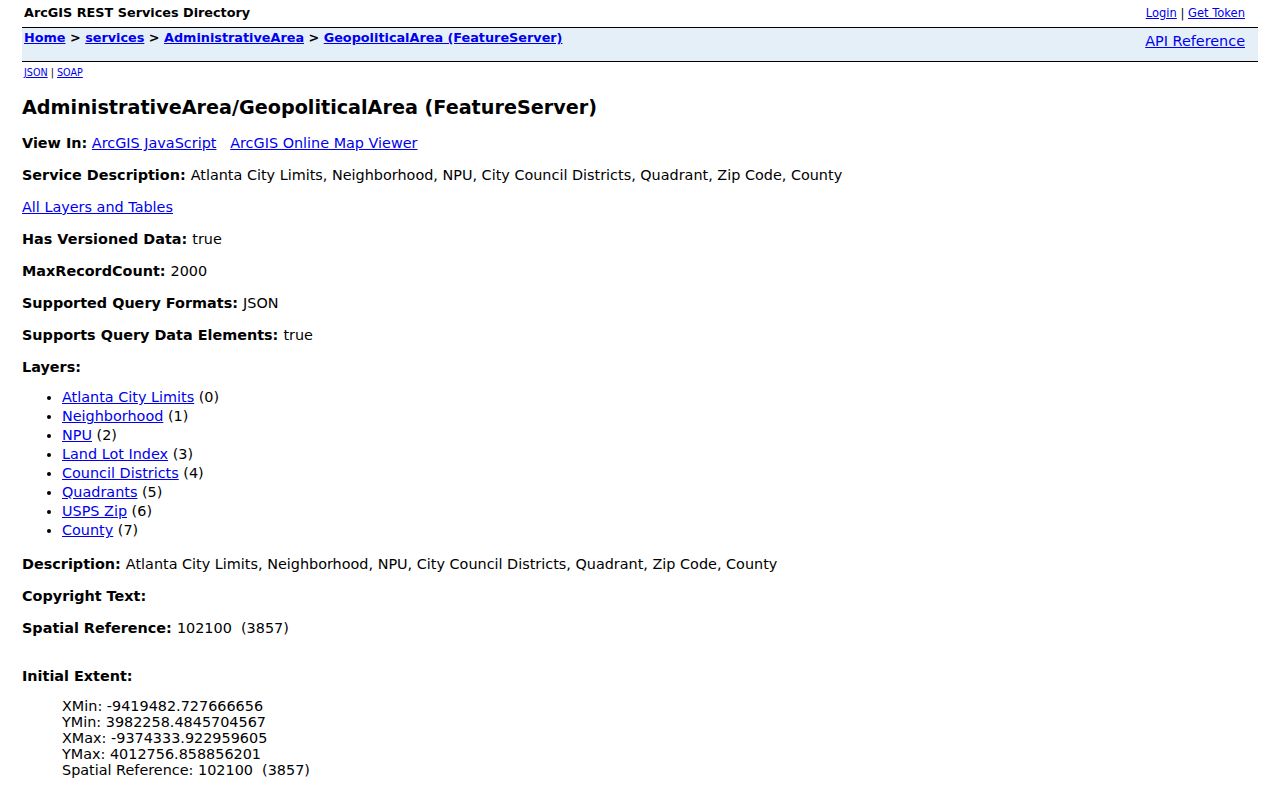
For older numbers, compare consecutive city directories with the official 1930 house-numbering map and 1938 WPA cadastral sheets in Georgia State's digital collections.
Use Atlanta Historical Directories
Fulton Library Special Collections holds Atlanta city directories spanning 1859/60 through 1991 and Haines criss-cross directories from 1946 through 2016/17. Alphabetical volumes can show a resident, spouse, occupation, employer, home address, and business listing. Reverse volumes begin with a street address or telephone geography, making them valuable when only a former home is known.
The Atlanta History Center's family-history resources add directory microfilm, manuscripts, maps, photographs, cemetery sources, and local collections.
Use two or more editions to bracket a move. Publication lag, omissions, initials, married names, and OCR errors can hide a person from a single-year search.
Read Atlanta's Buried Street Record
Atlanta's 1927 through 1929 viaduct work raised parts of Central, Pryor, Alabama, and Wall streets, leaving original storefront levels beneath what became Underground Atlanta. Georgia State archivists used city directories and Sanborn maps to identify businesses in almost one hundred glass-plate images. The episode shows why a directory entry is most useful when paired with a dated map or photograph.
The Atlanta History Center ALBUM also provides text-searchable issues of The City Builder and Atlanta History. More than 300 issues of The City Builder from 1916 through 1961 act as a business and civic name index.
A publication can establish that a name appeared in an era. It does not replace a deed, court order, or vital certificate.
Request Missing Atlanta Records
Online gaps do not mean a record is gone. The City of Atlanta routes requests to the department that created or keeps the file. A useful request identifies the record series, names or addresses, a start and end date, and the desired electronic format. Georgia agencies need not research a family, answer questions, or create a new list that does not already exist.
The Atlanta open-records portal is the city's request entry point. Under the Georgia Open Records Act, an agency should respond within three business days. If production takes longer, the response should describe the records and provide a timetable. Ask for nonexempt portions after protected fields are removed.
Compare Atlanta Search Evidence
Official indexes and commercial people-finder listings serve different roles. Government and institutional sources identify the custodian, record type, date, and limits of the entry. Commercial compilations may merge old addresses or similar names without showing where a fact came from. Treat any unverified listing as a lead only.
| Source | Useful evidence | Next check |
|---|---|---|
| Assessor or GIS | Parcel, owner, situs, mailing address | Recorded deed |
| Court docket | Party, case number, events | Filed document or order |
| Directory | Published-era address, role, or contact | Second dated source |
| Commercial compilation | Possible name or address lead | Named official custodian |
Atlanta's size makes false matches common. Compare middle initials, suffixes, date ranges, parcel or case numbers, addresses, roles, and associated people across at least two authoritative records before drawing a conclusion.
Check Atlanta Annexation History
Neighborhood records can move between jurisdictions as Atlanta grows. Fulton County was created from DeKalb County in 1853, and Milton and Campbell counties merged into Fulton in 1932. Earlier land or court research may therefore require a predecessor county. Atlanta was incorporated as Marthasville in 1843 and renamed in 1847, while Civil War destruction interrupted parts of the local paper trail.
The city's annexation data layer records case identifiers, acreage, parcel counts, status, county, dates, ordinance links, annexation names, and years.
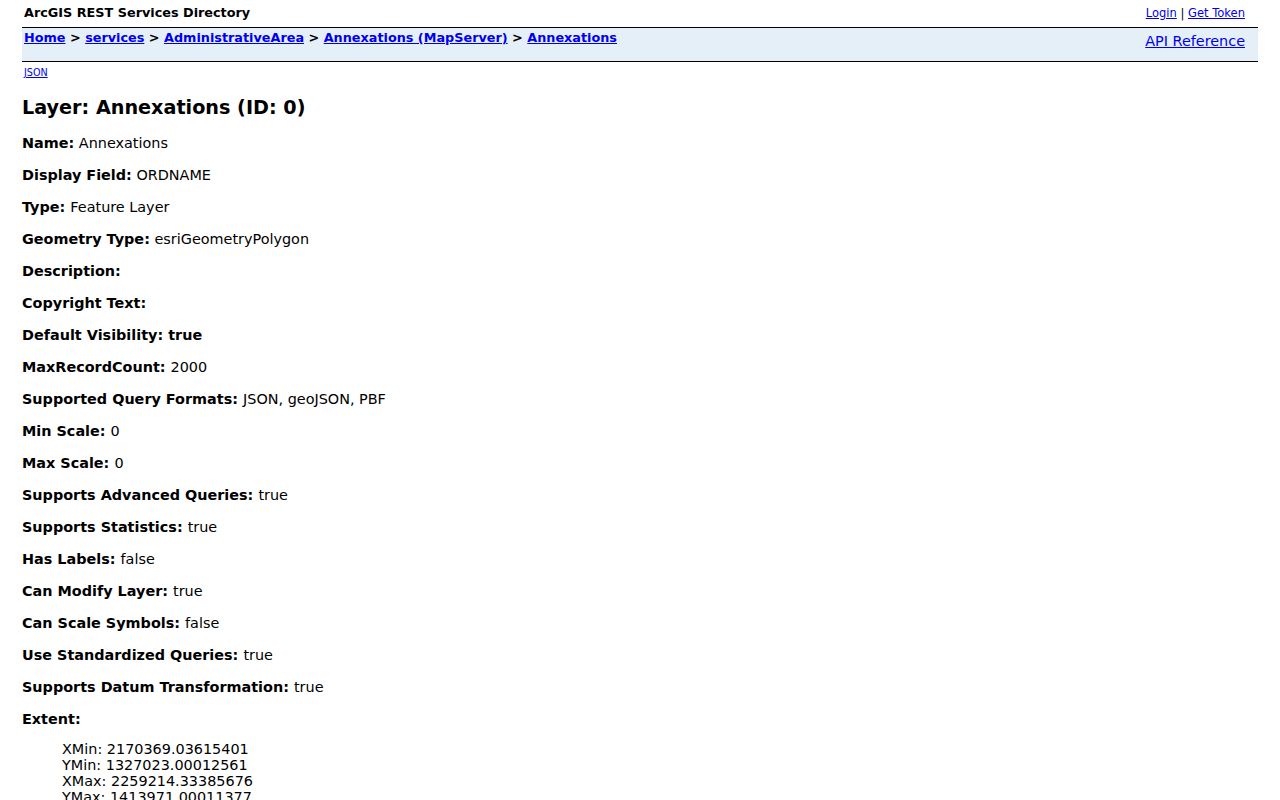
Use annexation year and predecessor jurisdiction to choose the right city directory, permit series, tax roll, deed book, or court office for the period.
Extend an Atlanta Name Search
County and city records are only part of an Atlanta name trail. Georgia agencies maintain several statewide indexes that answer narrow questions. The Georgia Unclaimed Property Program can connect a person or business with property held by the state. Search it directly before paying anyone who promises to recover funds. A match is a claim lead, not proof that the searcher is entitled to the property. The state will require its own identity and ownership proof during the claim process.
The Georgia Department of Corrections offender search accepts a name, description, department identifier, or case number. Published details may include a name, age or birth year, physical description, conviction county, offense and sentence data, prior incarceration, and release eligibility. Photos appear when available. The department warns that online data may be incomplete and offers written verification through Inmate Records and Information. Medical, mental-health, juvenile, victim, and family-address information remains restricted.
Voter information follows a different boundary. Georgia My Voter Page authenticates the voter with identifying fields and returns personal registration details, polling place, districts, ballot information, and absentee status. It is not an open name directory. Broader voter-list products have statutory limits, confidential-address protections, and an official order process described in Atlanta voter registration records. Georgia does not register voters by political party, so primary participation should not be presented as permanent party affiliation.
These statewide sources work best as cross-checks. Match dates, county, identifiers, addresses, and roles before treating two entries as the same person. A missing result also has limits: the record may belong to another custodian, use a former name, fall outside the system's coverage, or be protected by law.
Another statewide trail begins with the Georgia Archives Virtual Vault and regional federal holdings. The Virtual Vault brings together digitized maps, photographs, county material, and early death certificates. NARA's Atlanta facility keeps federal records from agencies and courts across the Southeast, subject to collection schedules and access rules. Neither collection behaves like a current people finder. Search the catalog by surname, organization, place, record group, and date, then read the finding aid before arranging a visit or copy request. Institutional and neighborhood names often succeed when a personal name alone does not.
Note: Official statewide indexes answer defined questions; none is a complete registry of everyone who has lived in Atlanta.